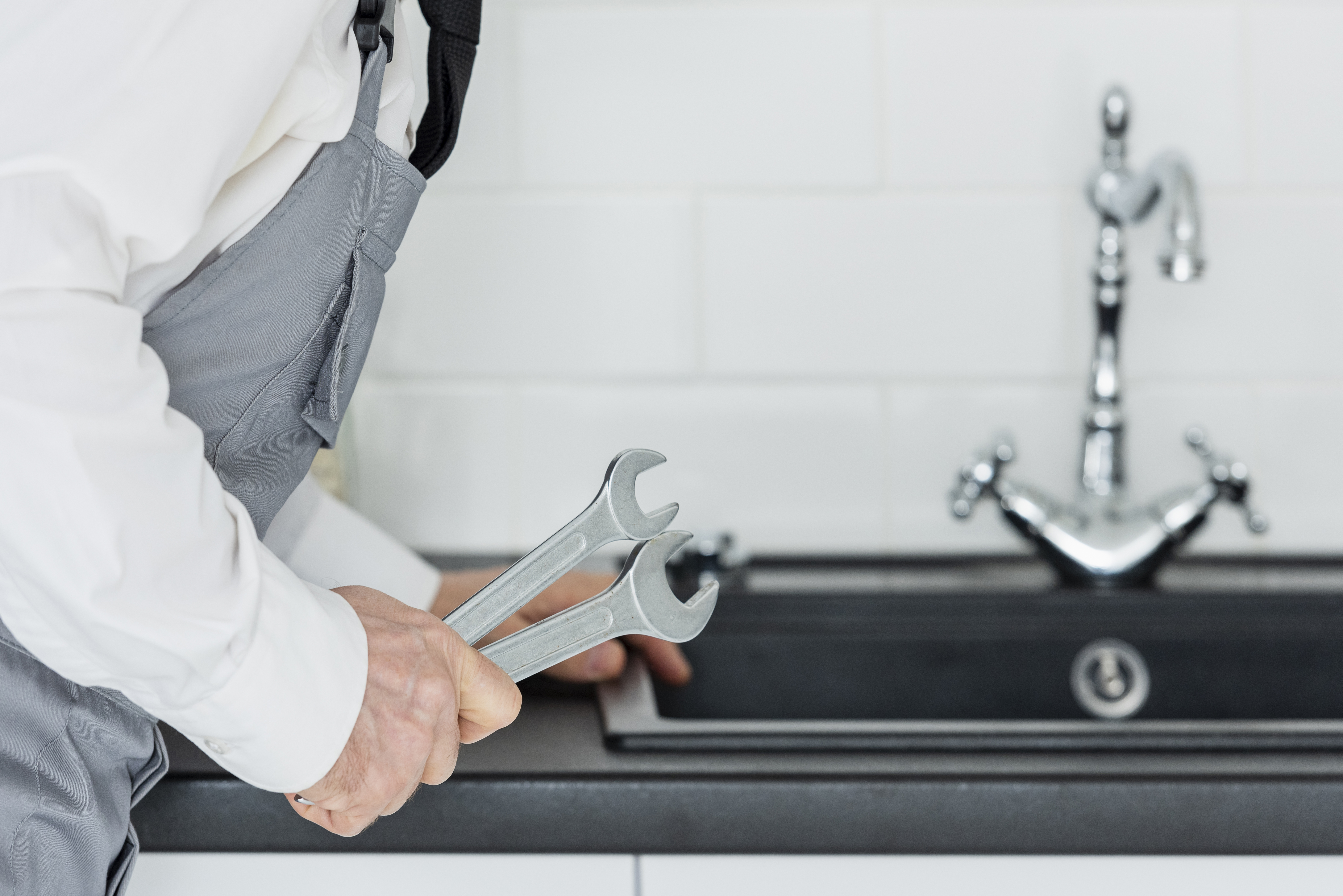
Leak Repairs
Professional Leak Detection & Repair Services
Expert Leak Detection & Repair Services
At Economy Rooter, we specialize in professional leak detection and repair services. Water leaks can cause significant damage to your property and lead to costly repairs if not addressed promptly. Our experienced technicians use advanced technology to quickly locate and repair all types of plumbing leaks.
Common Types of Leaks We Repair
- Pipe Leaks: Leaks in supply pipes, drain pipes, and sewer lines
- Fixture Leaks: Leaks from faucets, toilets, showers, and sinks
- Appliance Leaks: Water heater, washing machine, and dishwasher leaks
- Hidden Leaks: Leaks behind walls, under floors, or in ceilings
- Outdoor Leaks: Irrigation system, pool, and outdoor faucet leaks
- Emergency Leaks: Burst pipes and sudden major water leaks
Our Leak Detection & Repair Services Include:
- Professional leak detection using advanced technology
- Pipe leak repair and replacement
- Fixture leak repair and replacement
- Water heater leak services
- Sewer line leak detection and repair
- Slab leak detection and repair
- Emergency leak repair services
- Commercial leak detection and repair
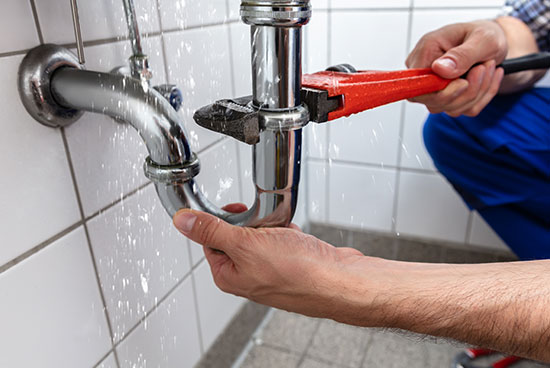
Signs You May Have a Water Leak
- Unexplained Water Bills: Sudden increase in water usage
- Water Stains: Discoloration on walls, ceilings, or floors
- Musty Odors: Mold or mildew smells in certain areas
- Sound of Running Water: Water sounds when no fixtures are in use
- Wet Spots: Damp areas on floors, walls, or in yard
- Low Water Pressure: Sudden decrease in water pressure
- Foundation Cracks: New cracks in foundation or walls
- Mold Growth: Visible mold or mildew in unexpected areas
Our Leak Detection Methods
- Acoustic Detection: Listening devices to detect water sounds
- Thermal Imaging: Infrared cameras to find temperature differences
- Video Inspection: Camera technology to visually inspect pipes
- Tracer Gas: Non-toxic gas to locate hard-to-find leaks
- Pressure Testing: Testing pipe pressure to identify leaks
- Moisture Meters: Electronic devices to detect moisture levels
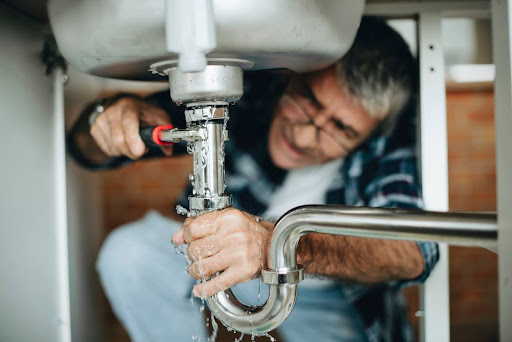
Types of Pipe Leaks We Repair
- Copper Pipe Leaks: Corrosion, pinhole leaks, or joint failures
- PVC Pipe Leaks: Cracked pipes, failed joints, or improper installation
- Galvanized Pipe Leaks: Rust and corrosion in older pipes
- PEX Pipe Leaks: Failed fittings or installation errors
- Cast Iron Pipe Leaks: Cracks, corrosion, or root intrusion
- Clay Pipe Leaks: Cracked or shifted sewer pipes
- Slab Leaks: Leaks under concrete foundations
- Main Water Line Leaks: Primary supply line failures
Why Prompt Leak Repair is Essential
- Prevent Structural Damage: Water can weaken building materials
- Avoid Mold Growth: Moisture leads to hazardous mold
- Save Money: Reduce water waste and utility bills
- Preserve Property Value: Prevent long-term damage
- Prevent Electrical Hazards: Water near electrical systems
- Avoid Insect Infestation: Moisture attracts pests
- Maintain Water Pressure: Leaks reduce system efficiency
- Peace of Mind: Knowing your home is protected
Emergency Leak Repair Services
We offer 24/7 emergency services for urgent leak situations including:
- Burst pipes and major flooding
- Sewage backups into home
- Water heater failures
- Gas leaks from water heater connections
- Ceiling leaks threatening collapse
- Electrical hazards from water leaks
- Commercial building emergencies
- Health hazard situations
Our Leak Repair Process
- Inspection: Thorough assessment of leak situation
- Detection: Use advanced technology to locate exact leak source
- Assessment: Determine best repair method and materials needed
- Preparation: Turn off water supply and prepare work area
- Repair: Perform necessary repairs using appropriate methods
- Testing: Test repair thoroughly for any remaining leaks
- Cleanup: Restore work area to original condition
- Prevention: Provide recommendations to prevent future leaks
 FAQ
FAQ
Frequently Asked Questions About Leak Repairs
Have questions about leak detection or repair services? Find answers to common questions below.
Signs of hidden leaks include: unexplained increases in water bills, the sound of running water when no fixtures are in use, damp or discolored spots on walls/ceilings/floors, musty odors indicating mold growth, warm spots on floors (for hot water leaks), foundation cracks, or unexplained puddles in yard. Check your water meter: turn off all water in your home, note the meter reading, wait 2 hours without using any water, then check again. If the meter has moved, you likely have a leak. For accurate detection, professional leak detection services are recommended.
Common causes include: corrosion (especially in older metal pipes), high water pressure, freezing and thawing cycles, physical damage from construction or landscaping, shifting foundations, poor installation, age and wear, water hammer (sudden pressure changes), chemical damage from drain cleaners, tree root intrusion for sewer lines, and mineral buildup causing stress. Different pipe materials have different vulnerabilities - copper can develop pinhole leaks from corrosion, PVC can crack from impact or freezing, and galvanized steel corrodes from the inside out. Regular maintenance and pressure regulation can prevent many leaks.
Even small leaks waste significant water: A dripping faucet (1 drop per second) wastes about 3,000 gallons per year. A running toilet can waste 200 gallons per day (73,000 gallons per year). A 1/8-inch leak in a pipe can waste 250 gallons per day (91,000 gallons per year). A pinhole leak in a copper pipe under just 40 PSI pressure can spray up to 250 gallons per day. These numbers translate to hundreds or thousands of dollars in wasted water bills annually. Beyond financial cost, water waste is an environmental concern, making prompt leak repair both economically and ecologically important.
First, turn off the water supply to the affected fixture or area. If it's a major leak, turn off your home's main water supply. Place buckets or towels to contain water and prevent damage. Take photos for insurance purposes if needed. For minor leaks like dripping faucets, you can attempt temporary fixes with plumber's tape or epoxy putty, but these are short-term solutions. For pipe leaks, don't use chemical sealants as they can cause more problems. Call a professional plumber for proper repair. If there's electrical equipment near water, turn off electricity to that area. Document any water damage for insurance claims.
Preventive measures include: insulating pipes in unheated areas to prevent freezing, maintaining water pressure below 80 PSI (install a pressure regulator if needed), having annual plumbing inspections, replacing old pipes before they fail (galvanized steel pipes older than 20 years, copper pipes showing green corrosion), avoiding chemical drain cleaners that can damage pipes, being careful with landscaping to avoid damaging underground pipes, addressing small leaks immediately before they become big problems, installing water leak detection devices, knowing where your main water shut-off valve is, and scheduling regular maintenance for water heaters and other appliances. We offer preventive maintenance programs to help identify potential problems before they cause leaks.